How to Choose the Right Dialogue Type for a WordPress Task
Good WordPress project collaboration starts by naming the kind of relationship you actually need. A defined implementation is different from recurring support. A technical review is different from hiring a team member. A project handoff is different from introducing two people who may be able to help each other.
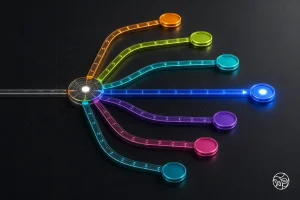
Daily Routine Labs currently registers seven active dialogue types: Project Match, Long Run, Team Up, Co-Build, Project Relay, Warm Intro, and Expert Check. Each type has its own purpose, fields, response model, and expected next step. Choosing among them gives other professionals the right context before they decide to respond.
Choosing a WordPress project collaboration format
Begin with the result, not the job title. Ask whether you need a completed scope, an ongoing working rhythm, a team roster, a product partner, a safe handoff, a consent-based connection, or a professional review. That expected result is the clearest distinction between the formats.
If the work itself is still vague, first use the principles in How to Create a Clear WordPress Project Brief. A dialogue type provides structure, but it cannot replace accurate technical context.
Project Match: find a specialist for concrete work
Project Match is for a specific WordPress task, project, or client request. The brief asks for a concrete title; the work, context, and definition of done; required skills and context; expected scope; a preferred start date; an application deadline; optional public reference images; and a professional specialization.
Applicants respond with their availability, a current effort estimate, an approach, relevant experience, and an optional clarification. The owner can compare candidates, shortlist responses, identify responses that are not a fit, and select a specialist. The selected person must accept before the final brief is aligned.
Practical example and expected result
Use Project Match for a WooCommerce checkout issue with a reproducible failure, a defined environment, and a clear condition for completion. The expected result is a selected specialist, an agreed final brief, a private work stage, and—if both sides later confirm it—a completed Project Match outcome.
Long Run: establish ongoing collaboration
Long Run is for product development, maintenance, or regular support that should continue over time. Its request describes the product, service, or ongoing work; the role and collaboration focus; weekly involvement; expected duration; preferred start date; optional images; and specialization.
A Long Run application asks when the professional can begin, their natural working rhythm, what they will contribute over time, how they keep recurring work reliable, what the first month could look like, and an alignment question. This is more informative than presenting an indefinite need as a one-off project.
Practical example and expected result
Use Long Run when a plugin company needs recurring engineering support, release maintenance, and a dependable weekly rhythm. The expected result is an agreed ongoing collaboration with an explicit focus and cadence, not merely one isolated deliverable.
Team Up: build a project team
Team Up is for forming a team, filling one or more project roles, or joining a team that needs specific skills. A request identifies the project and team context, project stage, collaboration mode, preferred start date, and separate open roles. Each role has a name, required skills, and number of places.
The system supports invitations, join requests, acceptance or decline, role capacity, and accepted members. That makes Team Up different from Project Match: the goal is not necessarily to select one specialist for one scope, but to form a working roster around defined roles.
Practical example and expected result
Use Team Up when a WordPress product launch needs a Gutenberg developer, a product designer, and a performance specialist. The expected result is a team whose members occupy specific roles and can proceed with a shared working charter and outcome process.
Co-Build: find a product partner
Co-Build is for building, growing, or maintaining a WordPress product together. Its request includes the product or partnership title, idea or product context, product stage, partner profile, what the author contributes, what contribution is expected from a partner, and relevant specialization.
Partner proposals can describe a possible role, relevant experience, practical contribution, a first milestone, commitment, working rhythm, ownership stance, and conditions. This format recognizes that a partnership requires alignment about contribution and ownership, not just technical availability.
Practical example and expected result
Use Co-Build when a plugin author has a functioning product and domain knowledge but seeks a partner for engineering, distribution, or product operations. The expected result is a selected partner and a private dialogue in which the collaboration can be aligned. It is not an automatic partnership agreement.
Project Relay: hand work to another professional
Project Relay is for passing on work a professional cannot take or receiving a project from another trusted professional. A relay request describes the work and handoff context, visibility, work type, the original professional’s involvement, handoff timeline, client-introduction stage, required experience, and specialization.
Responses focus on readiness and relevant experience. Selection includes an acceptance step, and the workflow separates the public request from the private handoff workspace. Confidential client information should not be placed in the public request.
Practical example and expected result
Use Project Relay when an agency receives a WooCommerce migration that falls outside its capacity but wants to transition it responsibly. The expected result is an accepted professional and a controlled project handoff that both sides can later confirm.
Warm Intro: connect people with consent
Warm Intro is for recommending someone, requesting a referral, or connecting two people through a trusted introduction. The request identifies the introduction purpose, the person being introduced, the receiving member or team, an optional related DRL request, and why the introduction makes sense.
Warm Intro is intentionally consent-based. Both people review the introduction separately, and a private dialogue becomes available only after both accept. It is not a public application flow and should not contain private contact details.
Practical example and expected result
Use Warm Intro when you know a plugin developer whose experience fits a product owner’s confirmed need. The expected result is a mutually accepted connection, not an assumed endorsement or a guaranteed engagement.
Expert Check: request a professional review
Expert Check is for a consultation, audit, review, or second opinion. The request defines context and scope, review type, expected result, preferred timeframe, required expertise, optional non-confidential images, and specialization. Experts can respond with availability, review format, relevant expertise, an examination plan, relevant proof, and constraints or assumptions.
Practical example and expected result
Use Expert Check before committing to a custom plugin architecture or a risky WooCommerce integration plan. The expected result is the review format stated in the request—such as findings or recommendations—not implementation unless a separate working arrangement is agreed. Read Expert Review for WordPress Projects Before Development for a fuller preparation guide.
How to avoid choosing the wrong format
Do not use Project Match for an undefined permanent relationship; Long Run is closer when cadence and continuity matter. Do not use Expert Check when you already need implementation; it is designed around examination and professional opinion. Do not use Team Up when one specialist and one final brief are enough. Do not use Co-Build to disguise an ordinary unpaid task as a partnership.
Project Relay should begin with a real handoff context, while Warm Intro should begin with a credible reason for connecting identifiable people and respect both parties’ consent. When more than one type could fit, choose the immediate decision you need to make first. A review can precede a Project Match; a Project Match can reveal a need for Long Run; a Warm Intro can connect people to an existing request.
The complete process from structured request through selection and private work is explained in From Brief to Delivery: A Better Workflow for WordPress Collaboration.